Iran says no decision yet on a return to talks with the US

- আপডেট সময় শনিবার, ১৫ আগস্ট, ২০২৬
- ১৬ বার দেখা হয়েছে
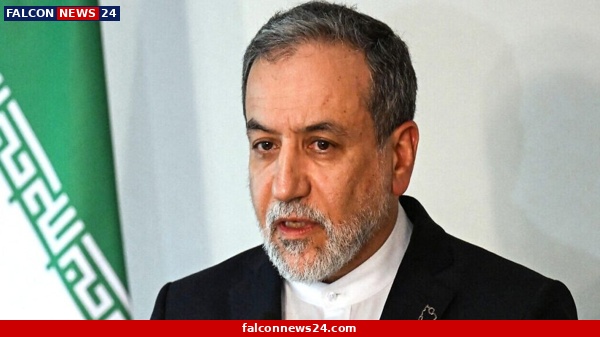

Iran has stated that it has not yet made a decision to resume talks with the United States to end the ongoing conflict. Iranian Foreign Minister Abbas Araghchi emphasized that any resolution depends on the fulfillment of certain conditions by the US. In a post on Telegram, Araghchi reiterated that mediators from Qatar and Pakistan are in contact with Iran, but this does not signify the start of formal negotiations.
The conflict escalated following the signing of a memorandum of understanding (MoU) in Pakistan in June, with Araghchi blaming the US for the return to violence. He mentioned that Iran is currently working with Oman to establish new shipping routes in the Strait of Hormuz. However, the resumption of shipping traffic in the strait hinges on the US meeting specific conditions.
US President Trump has recently declared his intention to declare the Strait of Hormuz as US territory, a statement that has been firmly rejected by Iran. Kazem Gharibabadi, Iran’s deputy foreign minister for legal and international affairs, stated that the Strait of Hormuz “has been Iranian, is Iranian, and will remain Iranian.”
The US has also shifted its strategy towards applying economic pressure on Iran. US Treasury Secretary Scott Bessent announced that new economic measures would soon be implemented to isolate Iran economically. Bessent highlighted that Iran’s shadow banking system is under significant strain due to these sanctions.
Marc Ginsberg, a former US ambassador and White House Middle East policy adviser, suggested that the current standoff is a “game of economic chicken,” predicting that the US administration might cave before Iran does. The ongoing tensions and economic sanctions continue to impact the region, with no clear resolution in sight.